





Introduction
Imagine sailing smoothly on the e-commerce sea, only to hit an unseen iceberg and sink your dropshipping dreams. Scary, right? Fear not! We're here to be your lighthouse, illuminating the top 10 mistakes that new dropshippers often hit. And what's more? We won't just spotlight these hazards; we'll also show you how to steer clear of them. Buckle up for an exciting journey where we help you dodge these blunders and chart a course to dropshipping success. Get ready to turn the tide in your favor!

1. Selling Everything Instead of Niching Down
The Mistake: Attempting to sell a wide range of products to appeal to everyone.
The Solution: Find a specific niche you are passionate about and have a good understanding of. This focus helps to build a brand and connect more effectively with your target audience.
- Identify Your Interests and Passions
- Conduct Market Research
- Analyze the Competition
- Understand Your Target Audience
- Test Your Idea
2. Ignoring Market Research
The Mistake: Choosing products to sell based solely on personal preferences without considering demand.
The Solution: Conduct thorough market research to identify trending products and customer needs before deciding on your inventory.
Surveys and Questionnaires
One of the simplest yet most effective methods to gather information directly from your audience. Use online survey tools like SurveyMonkey or Google Forms to collect data about customer preferences, buying habits, or feedback on your products or services.
Focus Groups
A focus group involves a small group of people whose feedback you seek on a new product, service, or feature. It offers direct interaction with consumers, allowing you to gather qualitative data and detailed insights.
Social Media Analysis
Social media platforms can be a goldmine of information. Use social media analytics tools to track engagement rates, audience demographics, popular content, and trends relevant to your business. Also, keep an eye on your competitors' activities.
Market Segmentation
Break down your larger target market into smaller, more defined segments based on characteristics like age, income, buying habits, etc. This strategy helps you tailor your products and marketing efforts to meet the specific needs of different customer groups.
Competitive Analysis
Identify your main competitors and analyze their products, pricing, marketing strategies, and customer reviews. This practice helps you understand what strategies work in your industry, what gaps might exist in the market, and how you can differentiate your business.
SEO Research
Use SEO tools like Google Keyword Planner, SEMrush, or Ahrefs to find out what keywords your target customers are using to search for products or services like yours. This data helps you optimize your content and improve your website's visibility in search engine results.
In-Depth Interviews
Conduct one-on-one interviews with customers to get detailed insights about their experiences, preferences, and expectations. This method is particularly useful when you need detailed information about specific issues.
Data Analytics
Use data analytics software to analyze your sales data, website traffic, customer behavior, and other metrics. Tools like Google Analytics, Tableau, or SAS can provide valuable insights to improve your strategies.
3. Not Evaluating Suppliers Carefully
The Mistake: Selecting suppliers based only on low prices without considering reliability and product quality.
The Solution: Establish relationships with reliable suppliers who deliver high-quality products and have efficient delivery times. Always vet your suppliers thoroughly.
Product quality checklist
- Product Specifications
- Ensure the product matches the listed specifications, such as dimensions, weight, color, materials used, etc.
- Performance
- Test the product to ensure it functions correctly and meets its intended use.
- Safety
- Confirm the product meets all required safety standards for your industry.
- Packaging
- Examine the product packaging to ensure it's robust and protects the product during shipping.
- Visual Inspection
- Check the quality of craftsmanship, ensuring there are no issues like poor stitching, misalignment, or loose components.
- Compliance
- If selling internationally, check that the product meets the standards and regulations of the target market countries.
- Durability
- Depending on the nature of the product, consider conducting stress tests to assess its durability and longevity under various conditions.
- User Instructions
Ensure user manuals or instructions are included if necessary, and they are clear and easy to understand.
Verify that all necessary warnings or disclaimers are included.
- Product Consistency
- If checking multiple samples of the same product, ensure there is consistency in quality across all units.
4. Underestimating the Importance of a User-Friendly Website
The Mistake: Neglecting the design and functionality of the e-commerce website.
The Solution: Invest in creating a user-friendly, attractive, and mobile-optimized website. Make it easy for customers to navigate, find products, and check out.
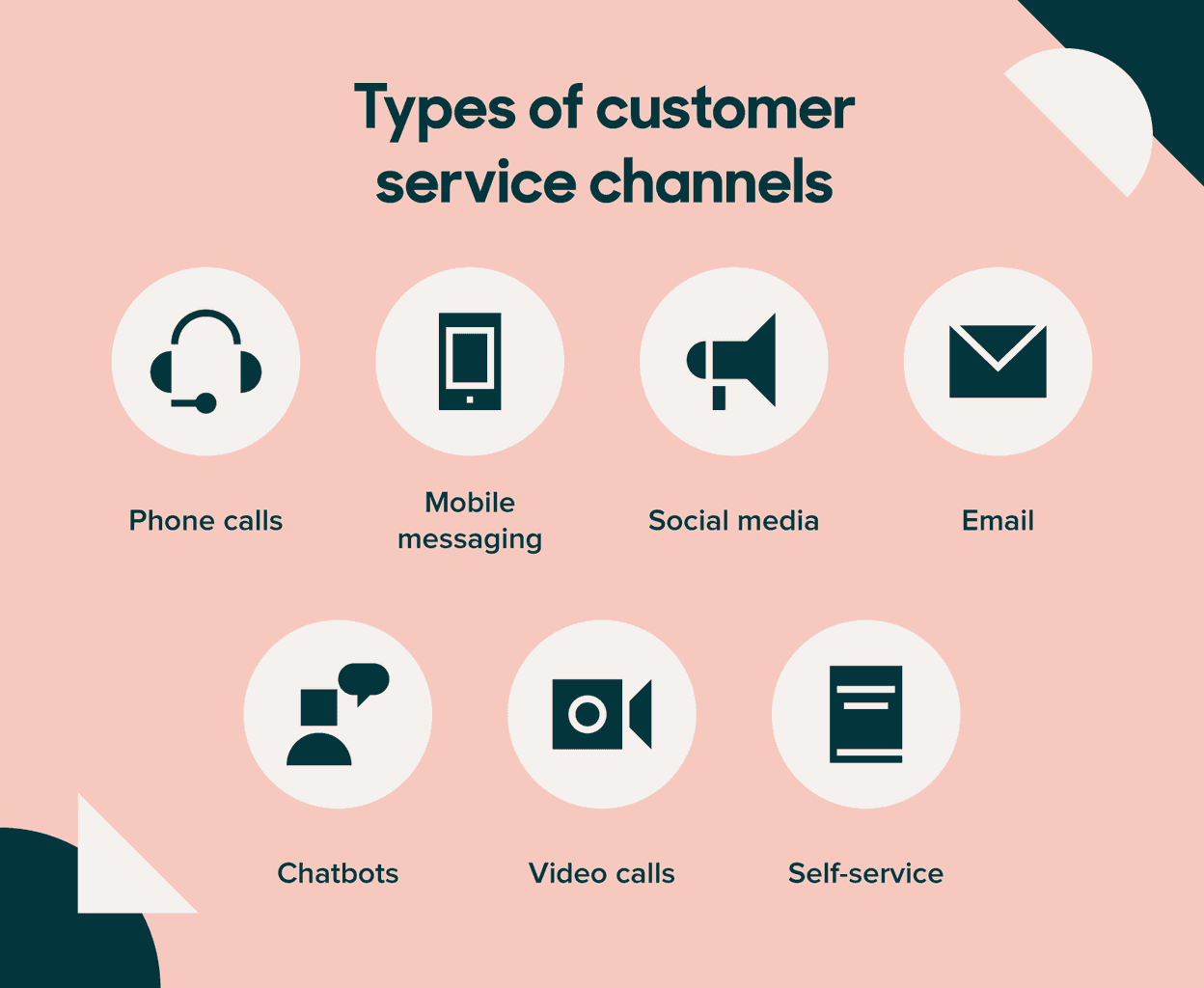
5. Inadequate Customer Service
The Mistake: Not giving enough attention to customer queries and complaints.
The Solution: Prioritize customer service and support. Quick and helpful responses to customer inquiries can make a significant difference in your business's reputation and customer retention.
6. Failing to Optimize for SEO
The Mistake: Not using search engine optimization (SEO) to improve website visibility.
The Solution: Implement SEO best practices. Use relevant keywords in your product descriptions and blog posts, and create valuable content that can improve your site's ranking on search engine results.
WordStream's SEO section (WordStream SEO guide) is a comprehensive online resource for learning about Search Engine Optimization (SEO).
It provides:
Easy-to-understand information for beginners.
Detailed guides on advanced SEO topics like keyword research, link building, and SEO-friendly content creation.
Resources on SEO analytics and measuring SEO success.
Tips on local SEO strategy optimization.
Free marketing tools for SEO and PPC keyword research and Google Ads performance grading.
Whether you're an SEO novice or an experienced marketer, WordStream can provide valuable insights to improve your SEO strategies.
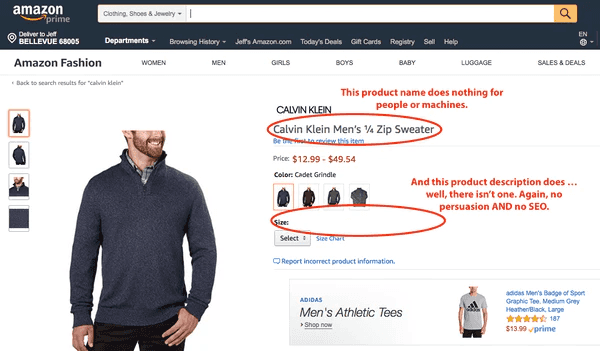
7. Poor Product Descriptions and Images
The Mistake: Using generic product descriptions and poor-quality images provided by suppliers.
The Solution: Create unique, engaging product descriptions and invest in high-quality product photography. Good product descriptions and images can significantly influence buying decisions.

8. Neglecting Social Media Marketing
The Mistake: Underestimating the power of social media for promotion and customer engagement.
The Solution: Utilize social media platforms to engage with your audience, promote products, and offer customer service. Remember, each platform has its unique demographic, so tailor your content accordingly.
9. Lack of a Return Policy
The Mistake: Not having a clear return and refund policy.
The Solution: Provide a clear, fair return and refund policy. This policy not only builds trust but also helps you handle returns more effectively.
List of the benefits of a good return policy:
- Customer Trust: It instills confidence in your business and products.
- Boosts Sales: Customers are more willing to buy if they know returns are easy.
- Customer Retention: A smooth return process encourages repeat business.
- Competitive Advantage: A generous policy can distinguish you from competitors.
- Fewer Negative Reviews: Easy returns can prevent dissatisfaction and bad reviews.
- Product Insights: Returns can highlight issues with products, helping you improve.
10. Not Analyzing and Adapting
The Mistake: Not making data-driven decisions or being resistant to change.
The Solution: Regularly review your strategies and sales data. Be ready to adapt your approach based on what's working and what's not. In the dynamic world of e-commerce, flexibility and adaptability are key.
Conclusion
Avoiding these common mistakes can set you on the path to a successful dropshipping business. Remember, patience and learning are part of the journey. Make informed decisions, learn from your mistakes, and continuously strive to improve your strategies and operations.
As we wrap up, here's a question for you to ponder - How will you implement what you've learned today to improve your dropshipping business strategies for a brighter tomorrow?
Stay tuned for more in-depth articles on each of these points to help you navigate the complexities of dropshipping. Wishing you success in your dropshipping journey!